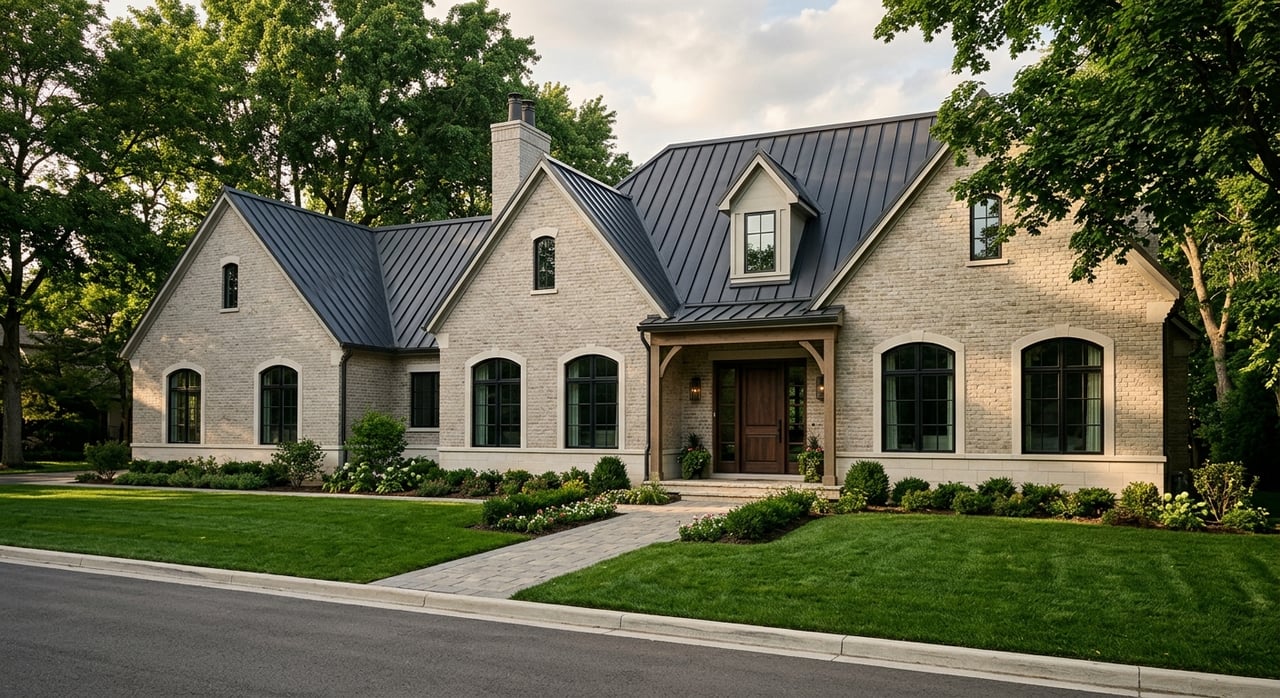
Choosing a Sioux Falls neighborhood can feel simple at first, until you realize how different one area can be from the next. If you are trying to balance commute, home style, outdoor access, and long-term value, you need more than a quick map search. This guide will help you compare Sioux Falls neighborhoods with a practical, local framework so you can narrow your options with more clarity and confidence. Let’s dive in.
Why neighborhood comparison matters in Sioux Falls
Sioux Falls is growing, with a population of 209,289 as of July 1, 2024. From 2020 to 2024, the city grew by 8.6%, which helps explain why neighborhood choice matters more than ever as buyers sort through established areas, core neighborhoods, and newer pockets of development.
Citywide numbers also show why a neighborhood decision should go beyond price alone. The mean travel time to work is 17.0 minutes, the owner-occupied housing rate is 59.5%, and the median value of owner-occupied homes is $292,400. In practice, that means your best fit often comes down to daily patterns, housing style, and how you want an area to feel over time.
Another important detail is that Sioux Falls treats neighborhoods as locally defined places, not just labels used in listings. The city encourages easy-to-recognize boundaries based on major streets, parks, schools, landscaped areas, and natural features. That is a good reminder to verify neighborhood identity with local maps and context instead of relying only on a property description.
Start with a simple scorecard
One of the easiest ways to compare Sioux Falls neighborhoods is to use the same filters for every area you consider. That keeps you focused on how you will actually live in the home, not just what looks good in a listing photo.
A useful neighborhood scorecard can include:
- Commute quality
- Park and trail access
- Housing age and style
- Maintenance or renovation tolerance
- Nearby public investment and future change
This approach works well in Sioux Falls because the city offers local planning, transportation, and neighborhood information that can help you compare areas on facts instead of guesswork.
Compare commute by real routes
Look beyond map distance
In Sioux Falls, commute quality is often about route choice, not just miles. The city publishes traffic counts for major road segments, offers traffic cameras, and posts street construction updates, which gives you a better picture of how an area functions during the times you will actually be on the road.
That matters because a neighborhood that looks close on a map may feel very different during rush hour. If you already know where you work, shop, or spend weekends, test the real route at the actual time of day you would travel.
Consider bus, bike, and sidewalk access
Sioux Falls also supports more than one way to get around. Sioux Area Metro provides bus service, and the city uses a Complete Streets approach that considers motorists, pedestrians, bicyclists, and transit riders in roadway planning.
For buyers who want more flexibility, the city’s 2023 Bicycle Plan is especially helpful. It includes a goal of creating a comfortable and connected bicycle network and says the city wants any origin or destination to be no more than one mile from the trail system. If active transportation matters to you, check trail links, sidewalk continuity, and how easy it is to move around without relying on a car for every trip.
Compare parks by lifestyle fit
Think beyond “there’s a park nearby”
Sioux Falls has more than 3,000 acres of parkland, more than 80 parks, 36 miles of paved recreation trail, and 54,000 trees. The city’s recreation system also includes golf courses, outdoor ice rinks, dog parks, aquatic facilities, and paved trails.
That is why it helps to ask a more specific question when comparing neighborhoods: what kind of recreation identity does this area have? Some neighborhoods are simply near green space, while others are shaped by it.
Neighborhood examples with distinct park access
Terrace Park is a strong example of a park-centered identity. The area is described as a historic neighborhood with Covell Lake, the Japanese Gardens, a bandshell with summer municipal band concerts, and an aquatic center.
Tuthill Park offers a different experience. The city describes it as a mid-century-home neighborhood centered on its park, with Frisbee golf, singletrack bike trails, a playground, a sledding hill, and a formal garden.
McKennan Park has its own long-standing identity as the city’s oldest developed park. Amenities include tennis courts, horseshoe pits, sunken gardens, a bandshell, and a free wading pool.
If you compare neighborhoods this way, you are more likely to choose an area that fits your routines. For one buyer, that may mean nearby trails and open space. For another, it may mean community events, tennis courts, or a more established park setting.
Compare housing age and character
Know what kind of home stock you want
Sioux Falls neighborhoods vary quite a bit in age, layout, and overall housing pattern. That can affect everything from curb appeal and lot size to maintenance expectations and remodeling potential.
If you want a more urban, mixed-use setting, Downtown stands apart. The city’s downtown neighborhood plan emphasizes a mix of housing, retail, civic, financial, and entertainment uses, along with design-review standards for new construction and exterior remodeling to preserve downtown image and historic resources.
If you are drawn to historic character, All Saints and Pettigrew Heights deserve a closer look. All Saints is described by the city as a National Register Historic District with a mix of residential types and a transition role between Downtown and McKennan Park.
Pettigrew Heights is one of the oldest areas within Sioux Falls and sits in the city core next to Downtown. Older core neighborhoods can offer character and location advantages, but they may also call for a closer look at property condition and future maintenance.
Match maintenance tolerance to the area
This is one of the most practical parts of your comparison. A charming older home and a newer home can both be great choices, but they often require different expectations.
The city’s Neighborhood Revitalization Program supports repairs in core areas through Affordable Housing Solutions, Inc., including homes that are empty, ruined, or unsafe. For buyers, that is a reminder that older neighborhoods may offer value and established character, while also requiring more careful inspection of upkeep, renovation history, and repair needs.
By contrast, Tuthill Park is described as an established mid-century neighborhood with curved roads, expansive yards, and architectural character. Oak View represents a newer association-led neighborhood identity, with attention to land use, environmental protection, public services, consumer protection, and safety. Those differences can help you decide whether you want historic context, mid-century design, or a newer area where future civic issues are part of the neighborhood conversation.
Watch for future city investment
Public projects can shape daily life
A neighborhood is not static. Sioux Falls is actively investing in infrastructure and public amenities, and those projects can influence traffic, convenience, and neighborhood feel over the next several years.
The proposed 2026 to 2030 Capital Program totals about $1.1 billion. Projects include the 13th fire station, Minnesota Avenue reconstruction, completion of South Veterans Parkway, new sewer basin construction, expanded water-system connections, a new outdoor aquatic experience at Kuehn Park, and a new indoor recreation center at Frank Olson.
When you compare neighborhoods, it is smart to ask what is changing nearby. A future road project, recreation upgrade, or infrastructure expansion may improve convenience, but it can also affect traffic patterns, noise, and how an area develops over time.
Planning can hint at long-term direction
Sioux Falls uses long-range planning to guide land use and infrastructure. The city notes that Shape Sioux Falls 2040 is the currently adopted comprehensive plan, while Shape Sioux Falls 2050 materials were moving through the approval process in early 2026.
Those 2050 materials emphasize preserving existing neighborhoods, supporting walkable and bikeable development, encouraging infill and redevelopment, and prioritizing infrastructure and public spaces. For you as a buyer, that can be a useful lens for judging whether an area is likely to stay relatively stable, gain amenities, or face more redevelopment pressure.
A few Sioux Falls neighborhood patterns to know
Downtown and nearby core areas
Downtown is best understood as Sioux Falls’ mixed-use, walkable core. It comes with transit and parking considerations, active redevelopment, and design review that shapes the look and feel of the area.
All Saints works as a transition area between Downtown and McKennan Park. It combines historic context with a mix of residential types, which can appeal to buyers who want character and central access.
Pettigrew Heights is another core-area option with a strong neighborhood identity and a location near Downtown. It is one of the city’s oldest areas, which makes condition, updates, and long-term maintenance especially important to evaluate.
Park-centered established neighborhoods
Terrace Park stands out for its historic identity and recreation setting around Covell Lake, the Japanese Gardens, and community events. If outdoor amenities are a major part of your lifestyle, this kind of neighborhood can offer more than simple proximity to green space.
Tuthill Park has a different established feel, with mid-century homes, larger yards, curved streets, and immediate access to park amenities. It can be a strong fit if you want an established setting with architectural character and outdoor options close by.
Newer association-led identity
Oak View offers a useful contrast to core and historic neighborhoods. As a newer neighborhood association formed in 2017, its identity includes land use, environmental protection, public services, consumer protection, and safety.
That can matter if you want to understand how an area talks about its priorities and how involved residents are in future neighborhood issues. It is less about one home and more about how the area functions as a whole.
Local tools that help you compare smarter
Sioux Falls gives buyers several local resources that can make neighborhood comparison more practical. These tools can help you confirm boundaries, study traffic, and understand what is happening around a property.
Useful resources to check include:
- Neighborhood Association Finder and the Neighborhood Handbook for boundaries and association activity
- Neighborhood Connect for permits, planning data, and code-enforcement cases by address
- Traffic Counts Viewer and traffic cameras for corridor volume and rush-hour patterns
- Parks Directory and Park Finder Map for recreation access and park features
- Sioux Area Metro and the city’s bike-planning resources for households comparing car use with bus or bike access
If you are narrowing a shortlist, these tools can help you test whether an area matches your day-to-day priorities before you commit to showings or an offer.
How to compare neighborhoods with confidence
The best neighborhood choice is usually the one that fits your real life, not the one that checks the most boxes on paper. In Sioux Falls, that means comparing neighborhoods by commute routes, recreation access, housing style, maintenance expectations, and nearby public investment.
When you look at the city this way, patterns become easier to spot. You can separate historic core areas from park-centered neighborhoods, distinguish mixed-use living from larger-yard settings, and weigh present convenience against future change.
If you want help sorting through Sioux Falls neighborhoods with a more strategic lens, Joel Mcdowell can help you compare home options, lot opportunities, and long-term fit with calm, local guidance.
FAQs
How should you compare Sioux Falls neighborhoods as a homebuyer?
- Use a simple scorecard that looks at commute quality, park and trail access, housing age and style, maintenance tolerance, and nearby public investment.
Why does commute comparison matter in Sioux Falls neighborhoods?
- Sioux Falls provides traffic counts, cameras, construction updates, bus service, and bike-planning information, so real route conditions often tell you more than map distance alone.
What makes Sioux Falls neighborhoods feel different from each other?
- Neighborhoods in Sioux Falls vary by housing age, lot pattern, recreation access, redevelopment activity, and how the city and residents define local boundaries.
Which Sioux Falls neighborhoods have strong park access?
- Terrace Park, Tuthill Park, and McKennan Park each have distinct park-centered identities, with amenities ranging from trails and gardens to aquatic and recreation features.
Why should buyers check future city projects in Sioux Falls?
- Public investments such as road work, recreation facilities, utility expansion, and other capital projects can affect convenience, traffic, and neighborhood feel over time.
How can you verify a Sioux Falls neighborhood before buying?
- Check the city’s neighborhood association resources, local boundary information, traffic tools, park resources, and address-level planning or permit data to confirm how the area functions in real life.