Looking for land around Yankton can feel simple at first. You see a lot size, a price, and maybe a great view, and it is easy to think that is enough. In reality, the best parcel for you depends on where it sits, how it is regulated, and what it will take to build or use it the way you want. This guide will help you sort through acreage and lot options around Yankton and nearby areas so you can move forward with more clarity and confidence. Let’s dive in.
Understanding Yankton-Area Land Options
Around Yankton, land choices generally fall into three categories: city lots, fringe lots near city limits, and rural county acreage. That matters because each option can come with a different path for zoning, utilities, permits, and future building plans.
Yankton County includes Yankton along with nearby communities such as Gayville, Irene, Lesterville, Mission Hill, Utica, and Volin. If you are searching in this area, you are not looking at one single land market. You are comparing in-town subdivisions, edge-of-town parcels, and larger rural tracts across the county.
City Lots in Yankton
If you want a homesite with easier access to city services, an in-town lot may be the most straightforward option. Inside Yankton, the city zoning map includes districts such as R-1, R-2, R-3, R-4, B-1, B-2, B-3, I-1, A-1, and PUD.
For many buyers, the biggest benefit of a city lot is convenience. Water, sewer, and garbage utilities are managed by the City of Yankton, which can simplify your planning compared with a rural build.
A current example of in-town inventory is Garden Estates, described by a local development group as an 89-lot owner-occupied subdivision inside city limits, with lot prices between $36,500 and $50,000. If you are considering a newer subdivision, it is smart to also ask about any recorded covenants or subdivision rules that may affect what you can build.
Why city lots appeal to buyers
City lots can make sense if you want a custom home site without taking on the full complexity of rural infrastructure. In many cases, you may have a clearer path for utility service and a more predictable permitting process.
That said, you still need to verify the legal details. The City of Yankton notes that its zoning map is for general planning only, and zoning based on legal descriptions should be confirmed through the Community and Economic Development Office.
Fringe Lots Near City Limits
Some buyers want a little more elbow room while staying close to Yankton. That is where fringe parcels can become appealing, especially in areas affected by the city’s extraterritorial jurisdiction, often called the ETJ.
The City of Yankton regulates land use within one mile or less of city limits through its ETJ, while the county manages land outside city oversight in unincorporated areas. In practical terms, that means a lot outside city limits may still be influenced by city rules depending on exactly where it is located.
Why ETJ status matters
A fringe lot can offer a nice middle ground between town living and full rural acreage. But before you buy, you need to know whether the parcel is inside city limits, in the ETJ, or fully under county jurisdiction.
That one detail can affect setbacks, development standards, and the overall approval path for your plans. If you are hoping to build a home, add an outbuilding, or hold the land for future use, this is one of the first questions to answer.
Rural Acreage in Yankton County
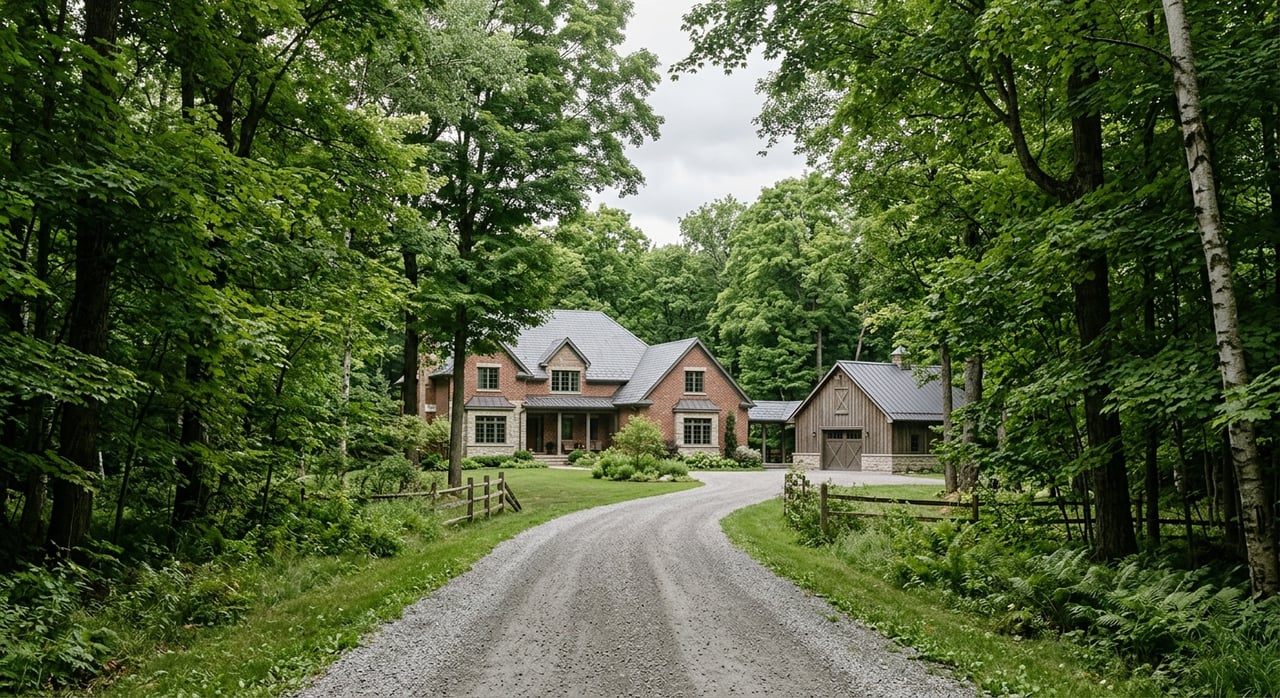
If your goal is privacy, flexibility, or more land for a custom build, hobby use, or future outbuildings, rural acreage may be the best fit. These parcels are usually located in unincorporated Yankton County, outside direct city oversight.
With that added space often comes more due diligence. The county Planning and Zoning Office manages the unincorporated area and handles building permits, plat approval, variances, conditional use permits, nuisance abatement, planning projects, and floodplain development permits.
What rural buyers should expect
When you buy acreage, size alone does not determine usability. A larger parcel may still need careful review for access, utilities, drainage, floodplain status, and whether the site is already documented in a way that supports your building plans.
In the county, a building permit application needs an elevation drawing, floor plan drawing, and a site plan showing the structure and distances from property lines. That tells you a rural build often requires more upfront planning than many buyers expect.
Zoning Comes Before Your Dream Plan
It is easy to focus on the house you want to build. But before that, you need to know what the parcel legally allows.
The City of Yankton states that zoning rules control setbacks, height, open space, and the intensity of land development. If your proposed use does not conform to the current zoning, a public hearing process is required to change it.
This is why two parcels with similar size and price can have very different value to you. If one parcel supports your intended use and the other does not, the cheaper option may not actually be the better buy.
Questions to ask about zoning
Before you move forward on a lot or acreage parcel, ask:
- Is the parcel inside city limits, in the ETJ, or in unincorporated county land?
- What is the current zoning designation?
- Do the setbacks and development standards fit your plan?
- Would your intended use require a variance, conditional use permit, or rezoning?
- Are there recorded subdivision covenants or HOA-style rules to review?
Utilities Can Change the Whole Picture
One of the biggest differences between lot types around Yankton is utility access. This is often where a parcel that looks affordable on paper can become more expensive in practice.
Inside Yankton, the city manages water, sewer, and garbage utilities. For lots outside city limits, utility access should never be assumed.
The City of Yankton states that water sold to customers outside city limits is billed at twice the in-city rate unless otherwise established by the City Commission, and permission to connect to city water must be obtained before connection. If you are looking at a parcel near town, this is a key item to verify early.
Rural well and septic planning
Many rural acreage buyers should expect to evaluate well and septic options. South Dakota notes that about 25% of residents rely on on-site wastewater systems, septic installers must be certified, and system rules are governed by state administrative rules.
For wells, South Dakota requires a licensed well driller unless the owner drills their own well, and new domestic wells must be sampled for bacteria and selected chemicals before use. These are not small details. They are core parts of knowing whether a site is truly ready for your plans.
Access, Soil, and Site Conditions Matter
A parcel can look perfect from the road and still need more investigation. Drainage, grading, and general site feasibility all affect what it may take to build.
The USDA NRCS Web Soil Survey is a useful first look at soil data for land use and management decisions. For buyers, that can help frame questions about drainage and whether a site may need more engineering review before construction.
This does not mean every parcel has a problem. It simply means that good land decisions are often made by looking below the surface, not just at the listing photos.
Floodplain Review Should Happen Early
Because Yankton County borders the Missouri River, floodplain review is an important part of land due diligence. This is especially true for acreage or lots near water or low-lying areas.
Yankton County’s planning office lists floodplain development permits and updated proposed floodplain maps. The City of Yankton also states that it participates in the National Flood Insurance Program and that some projects in special flood hazard areas may still need a floodplain permit even if they are exempt from a building permit.
Why floodplain status matters
Floodplain status can influence where and how you build, what permits you need, and how much planning your site may require. It is much better to learn that before closing than after you begin designing a home or accessory building.
If floodplain concerns exist, they do not always mean a parcel is off the table. They do mean you need a more informed review before deciding.
Title, Plats, and Recorded Details
A listing description is only part of the story. You also need to know how the parcel is documented in the public record.
The Yankton County Register of Deeds is the county record office for plats, deeds, mortgages, liens, corner records, and other land records. This can help confirm whether a parcel is already platted, whether easements or covenants are recorded, and whether the legal description matches what is being marketed.
That step is especially important if you are buying for a custom home, outbuilding plan, or long-term investment strategy. Clear records can support a smoother path from purchase to planning.
A Simple Way to Compare Lot Options
If you are sorting through multiple properties around Yankton, use a checklist that goes beyond acreage size and asking price.
Compare parcels by these factors
- Jurisdiction: city, ETJ, or county
- Zoning and permitted use
- Plat and legal description status
- Utility access or well and septic needs
- Floodplain status
- Setbacks and site layout
- Easements, covenants, or recorded restrictions
- Permit path for your planned improvements
This kind of comparison helps you focus on buildability, cost, and long-term usability, not just surface-level appeal.
Ownership Comes With Ongoing Responsibilities
If you buy larger acreage, you are not only buying space. You are also taking on land stewardship.
Yankton County’s weed department reminds landowners that they are required to control noxious weeds on their property. On a larger tract, that becomes part of your ongoing ownership checklist.
The Right Parcel Starts With the Right Questions
The best acreage or lot near Yankton is not always the biggest one or the cheapest one. It is the parcel that fits your goals, your timeline, and the real-world conditions that affect how you can use it.
At CORE Real Estate, that is the lens we bring to land and lot searches. If you want help evaluating options around Yankton, planning for a custom build, or sorting through what makes one parcel stronger than another, connect with Joel Mcdowell.
FAQs
What types of land options are available around Yankton, South Dakota?
- Around Yankton, you will generally find city lots inside Yankton, fringe lots near city limits, and rural acreage in unincorporated Yankton County and nearby communities such as Gayville, Irene, Lesterville, Mission Hill, Utica, and Volin.
What should you verify before buying a lot in Yankton?
- You should verify whether the parcel is inside city limits, in the ETJ, or in county land, along with zoning, setbacks, recorded plats, easements, covenants, utility options, and floodplain status.
How does zoning affect land use in Yankton?
- In Yankton, zoning can affect setbacks, building height, open space, and the intensity of development, so the parcel’s legal use can matter just as much as its size.
What utility questions should you ask about acreage near Yankton?
- You should ask whether the parcel can connect to city water or sewer, whether permission is needed for connection, and whether the site will require a well and septic system instead.
What permits may be needed for rural acreage in Yankton County?
- In unincorporated Yankton County, the Planning and Zoning Office handles building permits, plat approval, variances, conditional use permits, and floodplain development permits, depending on the property and your plans.
Why is floodplain review important for Yankton-area land?
- Floodplain review matters because Yankton County borders the Missouri River, and floodplain status can affect permits, building placement, and overall site planning.